* Moustaches are totally IN
* The children and absolutely, stunningly beautiful
* Ox driven carts are bad for bridge traffic
* Peeing in the gutter -- doesn't matter if you're a man, woman, or child -- is totally acceptable
* Cows aren't all over the roads because they're sacred, it's becasue their owners don't have a place to keep them
* Clarified butter must be the official, national food ingredient of India
* Sauce makes everything good
Saturday, September 29, 2007

Udaipur, Part 2 and Pushkar
Sept 22-Udaipur
Today was rest. No big tours or places to be, just sleeping in, having some chai and toast, reading, and taking care of some travel business. The process of booking travel for the rest of our stay in India was quite an experience.
Despite India's growing technology economy, it's not strong on automation outside of Bangalore (the Silicon Valley of India). This was painfully clear as we attempted to get various train and plane reservations for the remainder of our time in India. For four train reservations and two plane reservations, the effort took three plus hours. Of course this included things like, “the Taj Mahal is closed on Fridays” and “that train only runs once per day during this time of week,” and other challenges. While I do realize that these challenges also face us in the US, they’re not nearly as numerous and particular. So there was a good amount of alternate route planning on our parts as well as lots of toggling on various computer screens with very low bandwidth (think of a snail going uphill) on the part of the travel agent. Then of course, lots of handwriting on small envelopes, filing, printing out, and so forth.
Dinner was special in that, as we ate, we listened to live tabla and sitar players. Those instruments conjure up magic and mysticism – so that my plain old navratan korma was like supermagic navratan korma prepared by lovely girls in sparkling saris gaily flitting about as they prepared my dish. OK, a little overboard there, but seriously, the tabla/sitar experience makes everything magic, I tell you.
That night was also filled with a stupendous thunder & lightening storm, the likes of which I haven’t seen since I was a little girl. Tremendous flashes and bolts of electricity backlighting the grey black clouds. Nature’s own laser light show.
Sept. 23 – Udaipur
Visited the Saheliyon-Ki-Bari, a charming garden that was laid out for 48 women attendants who came part of a princess’s dowry.
Then on to the big stuff.
Udaipur is known to have a lot of festivals. An employee of the hotel we stayed at said, “Always some festival in Udaipur!” This day was the festival celebrating the end of the monsoon season. The best approximation I can make of the name from one of the locals is “Lum Levaly” ?? I’ve tried to look it up and also clarify with residents of Udaipur, but no one was able to give me anything more and nothing exists online or in the Lonely Planet guidebook. Too many festivals for even the locals to keep up with? Perhaps.
This was a crazy-ass festival. You really got a strong taste of how crazy Indian people can be. The scene: the whole of the population out en masse. Everyone dressed in their finest. Sedans displaying representations of different gods and goddesses, decorated with gobs of flowers, ribbons, tin foil, Christmas lights, and other ornamentals, all carried by many men crowding around the sedan. Carts accompanying the gods’/godesses’ sedans and on these carts, ancient, achingly loud, gigantic generators looking more like model T engines than the quiet, humming Honda generators we know. The generators powering the lights and sound system on the sedan. People belting piercing devotional songs at the top of their lungs (and none of these people should quit their day jobs to become professional singers, if you know what I mean). And of course, the speakers on the sound system were tapped out, tinny, and screeching. Also drums: bass drums, snares, bongos, you name it, and lots of em pounding happily away. Now picture, like, 200 of these. And picture them all going through the main streets of Udaipur, which are extremely narrow (more like tight alleyways) and curvy. And picture the traffic of these trying to go in two directions, one going to the ghats/lake and one coming from the ghats/lake.
People packing the street, pushing, throwing red powder in all directions, dancing, chanting, shouting. In front the of the Vishnu Temple, groups of men clearing a large space to make way for some the most crazy-ass fire spinners, fire spitters, sword flailers, and (insert dangerous burning or sharp item here) you’ve ever witnessed. These guys aren’t like the folks we see in SF or at Burning Man – where everything is beautiful and choreographed and synchronized and in costume. These guys are in t-shirts and pleated work trousers, thrashing about with burning staffs or swords, or maces, or daggers, or burning ropes, having some kind of unstated faith that people will just get out of the way and not get beaned or burned. It was complete chaos beyond any chaos I’ve ever seen (I include Burning Man here). Also include acrobats, some lovely praying and chanting down at the lakeside, frolicking, and general nutty merriment. Wild is the best word I know to describe it, but wild doesn’t do it justice. We took some video, and I think that might be the only way to get the whole thing across. Both Gunther and I got pelted by powder, which made me feel like I was really now part of India – my red badge of courage.
Sept 24 – Udaipur
Another day of simply relaxing. My book (reading Herman Hesse’s Nobel prize-winning novel, “The Glass Bead Game” – totally phenomenal), some chai, a rooftop restaurant. That evening, a dance performance including different dances for different regions of Rajasthan. The highlight of this was a small woman, maybe 4’10, 140 pounds, and 55 years old, dressed in a blue sari. She began by dancing and balancing one pot on her head, then two, then three, then with three pots, bending down to pick an item up off the floor. Then four pots, then five pots. And with five pots, dancing on broken glass. Crazy… totally crazy.
After the performance, India won the cricket world cup against Pakistan. Cricket is THE national sport of India. I mean, like football for the USA, except people are even more mad about it and more dedicated to it. Cricket is IT. And of course, winning out over political/religious rival country, Pakistan – the whole city again went utterly mad. Cheering heard across the city, fireworks, the whole thing. Tomorrow night is the end of the Ganesh festival, so even more celebrating is on the schedule. I guess he was right, ““Always some festival in Udaipur!”
Sept 25 – Udaipur to Ajmerand on to Pushkar
It was with sadness that I said good-bye to Udaipur. The time here was a much-needed oasis from the difficult urban experiences in Egypt and Mumbai. We hopped the train to the next destination, Ajmer, where we would then get a taxi on to Pushkar.
On the train, we met a nice businessman on his way to visit one of his company’s locations. It was an enlightening conversation in which I had insight into how some Indians view the US, as well as insights into parts of Indian culture. Seems like there’s a perception out there that we Americans spend our entire week’s pay on the weekend and don’t save any money; that we need to have more children -- children are really, really, really important and unless you have them, your life is totally incomplete. Arranged and psuedo-arranged marriages (relatives set you up with friends' sons/daughters), even in urban centers, are still the norm. Indians want money – they work for money, not for the pleasure of their professional calling. However, changes are coming, and coming fast, politically, economically, culturally, and so on. However, as an editorial note, I would hazard a guess that these changes are coming to the developing middle class and not to the rural areas and the poor.
We had a great, long, and detailed conversation with this frank man and I was happy. This is what I’d been craving since we arrived. These connections are what helps us understand each other, and maybe even make the world a better place, slowly but surely.
We arrived in Ajmer only one hour later than the scheduled arrival time and promptly secured a rickshaw over the hill to Pushkar. OK, these little two-stroke autorickshaws are something else. Somehow, their tiny little engines get you out of scrapes with large TATA autobuses and construction vehicles, keep you from getting hit by (or hitting) a herd of oxen in the road, and get you to your destination, white knuckled and with an adrenaline rush. And magically, this little bug got us over that mountain hill – after a 10-minute rest at the peak – and into Pushkar and our hotel by about midnight.
Sept 26 – Pushkar
Pushkar is known for being one of the major spiritual destinations for Hindus. This town is a place where pilgrims from all over India come to be made clean. At Pushkar Lake, you can descend one of the ghats and bath your sins away for a clean start. They even say that if you die here, you are freed from the bonds of rebirth and are eternally liberated.
Because of this, this town has also become the hippy hangout of Rajasthan. Filled with Isreali tranceheads, the town has taken on a kind of seedy feel as different scam artists have learned to take advantage of the tourists’ naiveté. Intricate scams involving several men are run on every tourist, and we were no exception. One man (the hook) came up to each of us and put flower petals in our hands as we walked to visit one of the more well known ghats. Then, as we arrived, we were bullied by another guy (the hook’s partner) to go down the ghats and to the water. I had read about the scam and knew that it involved getting tourists down to the ghat with free “offerings” (e.g. flower petals) then going through an involved prayer, asking for hundreds of rupees, and getting aggressive if you didn’t give it. Did I say these guys posed as priests? Oh yeah.
It makes me feel kind of heartsick that these people use a holy place and pose as holy people to scam people’s money.
So we didn’t step down the ghat and just stood, quietly respecting the space and the people worshiping there. Well, this “priest” wouldn’t have it and became incredibly rude and confrontational. We dropped our flower petals in his hands and left to try and see another ghat.
At this ghat, we had the complete scam run on us, with the “free” flower petals, dried rice offerings, and so forth. They separated Gunther and I so that we couldn’t communicate, and then ran the prayers on us. Then the inevitable, “100 rupees, 200 rupees, a thousand rupees, as you like.” When we refused, the “priests” became agitated, then more and more furious and confrontational as Gunther dropped a 100-rupee note in the actual, locked Pushkar Lake donation box. One screamed out (no kidding) “Noooooooo!!!” as Gun slowly slid that 100 rupees into the donation box. I have to admit that that revenge felt pretty sweet. However, the experience as a whole with the scam artists left me feeling sad and more than a little cynical.
Pushkar boasts hundreds of temples, but the most famous must be the Brahma Temple. Brahma is the unsung God in the Hindu pantheon -- not nearly as rock & roll as Vishnu, Siva, or Ganesh, the most revered deities on the pantheon. Brahma is the creator of the Universe, and now that that’s done, he simply sits and meditates. Not a bad gig. There aren’t many Brahma Temples in India, so his temple in Pushkar is exceptional.
After running the gauntlet of the Pushkar Bazaar (Hello! ‘Scuse me, madam! Hello! ‘Scuse me, madam! Madam? Hello? Hello!!!), I purchased some flowers from the offerings wallah, took off my shoes, and entered the temple. The temple itself was interesting – a little ghetto – covered in rice crispies (a type of offering), flowers, pigeon poop, and bees looking for a handout. You could tell that many many people come through that temple every day to worship. The front of the temple was a bright cartoon blue, and the temple tower was painted bright red. Unusual since none of the temples are typically painted. But the colors, regardless of their garishness, gave it a kind of charm and accessibility that I appreciated. I left my offerings, asked for blessings, took many pics, and departed.
Today was rest. No big tours or places to be, just sleeping in, having some chai and toast, reading, and taking care of some travel business. The process of booking travel for the rest of our stay in India was quite an experience.
Despite India's growing technology economy, it's not strong on automation outside of Bangalore (the Silicon Valley of India). This was painfully clear as we attempted to get various train and plane reservations for the remainder of our time in India. For four train reservations and two plane reservations, the effort took three plus hours. Of course this included things like, “the Taj Mahal is closed on Fridays” and “that train only runs once per day during this time of week,” and other challenges. While I do realize that these challenges also face us in the US, they’re not nearly as numerous and particular. So there was a good amount of alternate route planning on our parts as well as lots of toggling on various computer screens with very low bandwidth (think of a snail going uphill) on the part of the travel agent. Then of course, lots of handwriting on small envelopes, filing, printing out, and so forth.
Dinner was special in that, as we ate, we listened to live tabla and sitar players. Those instruments conjure up magic and mysticism – so that my plain old navratan korma was like supermagic navratan korma prepared by lovely girls in sparkling saris gaily flitting about as they prepared my dish. OK, a little overboard there, but seriously, the tabla/sitar experience makes everything magic, I tell you.
That night was also filled with a stupendous thunder & lightening storm, the likes of which I haven’t seen since I was a little girl. Tremendous flashes and bolts of electricity backlighting the grey black clouds. Nature’s own laser light show.
Sept. 23 – Udaipur
Visited the Saheliyon-Ki-Bari, a charming garden that was laid out for 48 women attendants who came part of a princess’s dowry.
Then on to the big stuff.
Udaipur is known to have a lot of festivals. An employee of the hotel we stayed at said, “Always some festival in Udaipur!” This day was the festival celebrating the end of the monsoon season. The best approximation I can make of the name from one of the locals is “Lum Levaly” ?? I’ve tried to look it up and also clarify with residents of Udaipur, but no one was able to give me anything more and nothing exists online or in the Lonely Planet guidebook. Too many festivals for even the locals to keep up with? Perhaps.
This was a crazy-ass festival. You really got a strong taste of how crazy Indian people can be. The scene: the whole of the population out en masse. Everyone dressed in their finest. Sedans displaying representations of different gods and goddesses, decorated with gobs of flowers, ribbons, tin foil, Christmas lights, and other ornamentals, all carried by many men crowding around the sedan. Carts accompanying the gods’/godesses’ sedans and on these carts, ancient, achingly loud, gigantic generators looking more like model T engines than the quiet, humming Honda generators we know. The generators powering the lights and sound system on the sedan. People belting piercing devotional songs at the top of their lungs (and none of these people should quit their day jobs to become professional singers, if you know what I mean). And of course, the speakers on the sound system were tapped out, tinny, and screeching. Also drums: bass drums, snares, bongos, you name it, and lots of em pounding happily away. Now picture, like, 200 of these. And picture them all going through the main streets of Udaipur, which are extremely narrow (more like tight alleyways) and curvy. And picture the traffic of these trying to go in two directions, one going to the ghats/lake and one coming from the ghats/lake.
People packing the street, pushing, throwing red powder in all directions, dancing, chanting, shouting. In front the of the Vishnu Temple, groups of men clearing a large space to make way for some the most crazy-ass fire spinners, fire spitters, sword flailers, and (insert dangerous burning or sharp item here) you’ve ever witnessed. These guys aren’t like the folks we see in SF or at Burning Man – where everything is beautiful and choreographed and synchronized and in costume. These guys are in t-shirts and pleated work trousers, thrashing about with burning staffs or swords, or maces, or daggers, or burning ropes, having some kind of unstated faith that people will just get out of the way and not get beaned or burned. It was complete chaos beyond any chaos I’ve ever seen (I include Burning Man here). Also include acrobats, some lovely praying and chanting down at the lakeside, frolicking, and general nutty merriment. Wild is the best word I know to describe it, but wild doesn’t do it justice. We took some video, and I think that might be the only way to get the whole thing across. Both Gunther and I got pelted by powder, which made me feel like I was really now part of India – my red badge of courage.
Sept 24 – Udaipur
Another day of simply relaxing. My book (reading Herman Hesse’s Nobel prize-winning novel, “The Glass Bead Game” – totally phenomenal), some chai, a rooftop restaurant. That evening, a dance performance including different dances for different regions of Rajasthan. The highlight of this was a small woman, maybe 4’10, 140 pounds, and 55 years old, dressed in a blue sari. She began by dancing and balancing one pot on her head, then two, then three, then with three pots, bending down to pick an item up off the floor. Then four pots, then five pots. And with five pots, dancing on broken glass. Crazy… totally crazy.
After the performance, India won the cricket world cup against Pakistan. Cricket is THE national sport of India. I mean, like football for the USA, except people are even more mad about it and more dedicated to it. Cricket is IT. And of course, winning out over political/religious rival country, Pakistan – the whole city again went utterly mad. Cheering heard across the city, fireworks, the whole thing. Tomorrow night is the end of the Ganesh festival, so even more celebrating is on the schedule. I guess he was right, ““Always some festival in Udaipur!”
Sept 25 – Udaipur to Ajmerand on to Pushkar
It was with sadness that I said good-bye to Udaipur. The time here was a much-needed oasis from the difficult urban experiences in Egypt and Mumbai. We hopped the train to the next destination, Ajmer, where we would then get a taxi on to Pushkar.
On the train, we met a nice businessman on his way to visit one of his company’s locations. It was an enlightening conversation in which I had insight into how some Indians view the US, as well as insights into parts of Indian culture. Seems like there’s a perception out there that we Americans spend our entire week’s pay on the weekend and don’t save any money; that we need to have more children -- children are really, really, really important and unless you have them, your life is totally incomplete. Arranged and psuedo-arranged marriages (relatives set you up with friends' sons/daughters), even in urban centers, are still the norm. Indians want money – they work for money, not for the pleasure of their professional calling. However, changes are coming, and coming fast, politically, economically, culturally, and so on. However, as an editorial note, I would hazard a guess that these changes are coming to the developing middle class and not to the rural areas and the poor.
We had a great, long, and detailed conversation with this frank man and I was happy. This is what I’d been craving since we arrived. These connections are what helps us understand each other, and maybe even make the world a better place, slowly but surely.
We arrived in Ajmer only one hour later than the scheduled arrival time and promptly secured a rickshaw over the hill to Pushkar. OK, these little two-stroke autorickshaws are something else. Somehow, their tiny little engines get you out of scrapes with large TATA autobuses and construction vehicles, keep you from getting hit by (or hitting) a herd of oxen in the road, and get you to your destination, white knuckled and with an adrenaline rush. And magically, this little bug got us over that mountain hill – after a 10-minute rest at the peak – and into Pushkar and our hotel by about midnight.
Sept 26 – Pushkar
Pushkar is known for being one of the major spiritual destinations for Hindus. This town is a place where pilgrims from all over India come to be made clean. At Pushkar Lake, you can descend one of the ghats and bath your sins away for a clean start. They even say that if you die here, you are freed from the bonds of rebirth and are eternally liberated.
Because of this, this town has also become the hippy hangout of Rajasthan. Filled with Isreali tranceheads, the town has taken on a kind of seedy feel as different scam artists have learned to take advantage of the tourists’ naiveté. Intricate scams involving several men are run on every tourist, and we were no exception. One man (the hook) came up to each of us and put flower petals in our hands as we walked to visit one of the more well known ghats. Then, as we arrived, we were bullied by another guy (the hook’s partner) to go down the ghats and to the water. I had read about the scam and knew that it involved getting tourists down to the ghat with free “offerings” (e.g. flower petals) then going through an involved prayer, asking for hundreds of rupees, and getting aggressive if you didn’t give it. Did I say these guys posed as priests? Oh yeah.
It makes me feel kind of heartsick that these people use a holy place and pose as holy people to scam people’s money.
So we didn’t step down the ghat and just stood, quietly respecting the space and the people worshiping there. Well, this “priest” wouldn’t have it and became incredibly rude and confrontational. We dropped our flower petals in his hands and left to try and see another ghat.
At this ghat, we had the complete scam run on us, with the “free” flower petals, dried rice offerings, and so forth. They separated Gunther and I so that we couldn’t communicate, and then ran the prayers on us. Then the inevitable, “100 rupees, 200 rupees, a thousand rupees, as you like.” When we refused, the “priests” became agitated, then more and more furious and confrontational as Gunther dropped a 100-rupee note in the actual, locked Pushkar Lake donation box. One screamed out (no kidding) “Noooooooo!!!” as Gun slowly slid that 100 rupees into the donation box. I have to admit that that revenge felt pretty sweet. However, the experience as a whole with the scam artists left me feeling sad and more than a little cynical.
Pushkar boasts hundreds of temples, but the most famous must be the Brahma Temple. Brahma is the unsung God in the Hindu pantheon -- not nearly as rock & roll as Vishnu, Siva, or Ganesh, the most revered deities on the pantheon. Brahma is the creator of the Universe, and now that that’s done, he simply sits and meditates. Not a bad gig. There aren’t many Brahma Temples in India, so his temple in Pushkar is exceptional.
After running the gauntlet of the Pushkar Bazaar (Hello! ‘Scuse me, madam! Hello! ‘Scuse me, madam! Madam? Hello? Hello!!!), I purchased some flowers from the offerings wallah, took off my shoes, and entered the temple. The temple itself was interesting – a little ghetto – covered in rice crispies (a type of offering), flowers, pigeon poop, and bees looking for a handout. You could tell that many many people come through that temple every day to worship. The front of the temple was a bright cartoon blue, and the temple tower was painted bright red. Unusual since none of the temples are typically painted. But the colors, regardless of their garishness, gave it a kind of charm and accessibility that I appreciated. I left my offerings, asked for blessings, took many pics, and departed.
Some impressions of India (so far)
 On the trip I have spent most of my blogging time dealing with photos. The connection speeds are too slow to do uploads directly so I need to plug in my flash card reader which invariably means pulling out the computer and crawling around on the ground, reading the card ( which only works sometime ) , editing copies of the photos, downsizing them, and then uploading the smaller photos to the blog. The pictures do help tell the story though, and so the effort seems worth it.
So anyway here are some thoughts about India:
Population:
First off, there are way to many people here. This is just my opinion of course, but the cost in human and animal suffering is very clear. The current infrastructure seems very worn to me. Hopefully time and a growing economy and stability will rectify this situation, I would just hate to be part of this generation that has to do all the work to dig things out. Here is an interesting and hopeful chart that shows how much progress they have made on the poverty front in the last 30 years. So who knows.
http://en.wikipedia.org/wiki/Image:BPL_Data_GOI_.png
Religion
I don't get polytheism. I was raised as a Christian, have practiced Buddhism, and consider myself a "spiritual agnostic" -- I can get a reality of the universe that includes an inclusiveness of everything everywhere over all time. However, I do have a very hard time comprehending an actual being that has the body of a man and the head of an Elephant, except perhaps in metaphor; and yet Ganesh and the rest of his pantheon are very real beings to hundreds of millions of Hindus. From an objective viewpoint someone coming back from the dead is just as probable as a person with an elephant head, but my cultural biases don't see it that way. Maybe I need to join an ashram [ just kidding mom :-) ]
The British:
I wonder how much the British hurt and helped the Indian people. I can see small daily British influences on the country that seem either harmless or helpful, such as the many grand buildings in Mumbia and that they did unify India (for better or worse ). On the other hand if India had been able to unify on it's own in the 18th century, with a national government, and not lost huge amounts of treasure to the UK, I bet it would be quite a different country. Please send me info on this if you come across something related to this.
Chaos:What does India seem so chaotic to me? There are countless things like the fact that the New Delhi train station appears to be in Old Delhi. Is it because there are so many cultures here, so many people, artifacts of colonization, religion, culture, ...? I have to ponder this one a bit more.
Animals:
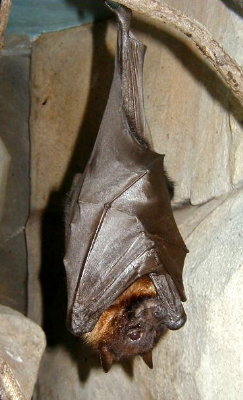
I have seen many animals for the first time in the wild ( or urban wild ) including:
Two species of monkeys
A mongoose
A new species of chipmunk
A different species of crow
A beautiful type of green parrot
Water Buffalo
Oxen
Indian Cows
Tons and tons of birds and insects
Indian Flying Fox (Bat) http://wonderclub.com/Wildlife/mammals/indianflyingfox.html
The Baby Taj

Architectural styles like most art is normally an evolutionary process and Itmad-Ud-Daulah's Tomb aka the "Baby Taj" is a charming mausoleum where artisans tried out the marble inlay techniques that make the Taj so incredible. Both structures are covered with white marble inlaid with other materials. This site was great too because there was a just a small number of tourists there. I really like the symatry to the building and the gardens, walls, and gates around it. It was lovely to spend time there, and watch the chipmunks and bright green parrots move about.
The Taj Mahal
Yesterday we viewed the Taj Mahal from across the river at a surprisingly nice park at Sunset. An older Indian fellow offered to take our picture and with a little trepidation we handed over our 12,000 rupee camera to a stranger and let him snap away. It turned out he was just a nice guy and didn't want anything other than to be friendly with us, a welcome surprise. The Taj seems to flatten itself at a distance and it is hard to take pictures of but this one of us in the fore ground isn't too bad. The sunset was lovely and the last rays of the sun catch mother of pearl inlay in the building -- that's right mother of pearl inlay.

Here are two photos that we took this morning from on site. It was foggy which added a kind of mysterious mood to things. The Taj is a wonderful building, it's hard to get into because of the big lines with pushy people and loads of tourists, but it is ridiculously amazing up close.


Here are two photos that we took this morning from on site. It was foggy which added a kind of mysterious mood to things. The Taj is a wonderful building, it's hard to get into because of the big lines with pushy people and loads of tourists, but it is ridiculously amazing up close.


Udaipur Walks In Beauty
Each say in India invites a whole novella to capture it. But with only several hours at a time on a computer, I’ll do my best to condense the experiences down to their essence.
If you’ve been to India (and I know a lot of you have), you know just how contrary it can be. One second you see something horrific, the next something beautiful, and the next something ludicrous and hilarious. Gratefully, the experiences in Udaipur were mostly beautiful and hilarious. This was much needed after the hardcore travels around Egypt and Mumbai.
Udaipur was just as beautiful as I remember it, though the town has definitely grown significantly and especially so as a tourist destination. This actually served me well and didn’t feel like it was detracting from a very genuine experience of India.
While in Udaipur, we visited the City Palace and Museum, a beautiful and well-preserved historical site, as well as the current home to a King whose ancestors built the palace and ruled over the region for hundreds of years. The mosaics were beautiful and the architecture impressive and grand. Surmounted by balconies, towers, and cupolas, towering over the lake (Pichola), the palace is Rajasthan’s largest. Wood is an uncommon building material (not much of it in desert country), and so it seems that many of India’s large, impressive monuments are built primarily from marble, typically white marble. Now imagine an entire palace built of marble, with flourishes of gold, intricate inlay work with semiprecious stone or colored marble, mosaics, and other beautiful detail work. Gorgeous.
The palace itself is mounted on a hilltop and looks over the town like a beautiful guardian and also as a messenger, proudly representing the beauty and history of Udaipur.
We also visited the large Temple of Vishnu (http://en.wikipedia.org/wiki/Vishnu) there and gave rupees to send blessings out to our loved ones. At the temple, a boy gave us a lesson on the temple’s history, as well as a passionate explanation of who Vishnu is and the miracles of the Vishnu statue that the temple housed. The fervor and love in that boy’s eyes made me begin to think about my own beliefs. In some ways, I feel very solid in my own life philosophy, which centers around personal responsibility and liberally incorporates existentialism. I’ve found that sometimes, though this philosophy serves me well, it can be a lonely path. This boy, with his love of Vishnu, can surrender himself to the God, can ask for help and be greeted with comfort and words of wisdom that he doesn’t have to find or define within himself.
I believe that religious zealotry can hold harmful divisiveness, and that zealots are responsible for a lot of suffering in our world. And also, to look into this boy’s eyes and see his love for his God and how beautifully he reflected that love out to me… it gave me pause.
The great thing about India is that it forces you to face yourself. And for that, I’m grateful and know a lot of good things will come from that. This and other experiences here have invited me to look at how powerful ritual is and begin to explore how that might strengthen my own path, even if my core values still are mostly existential in nature. More to come there, I’m sure.
Also in Udaipur, we witnessed, as part of the Ganesh festival, a dance recital with several wee little girls all decked out in shimmering sari costumes. They were each about four or five, and completely adorable! Their mothers and fathers and teachers all waiting in the wings, cheering them on with love beaming from their eyes.
Around Udaipur, we visited Kumbalargh Fort, about 84km north of Udaipur. From Lonely Planet, “this fantastic, remote fort, fulfilling all romantic expectations and vividly summoning up the chivalrous, warlike Rajput era” was amazing. Perched high in the mountains, on a fantastically high peak, this marvel reached up and up. The fort walls stretch across the mountains, comprising the largest wall structure on earth, second only to the Great Wall of China. Temples of all types surround the massive fort, for Vishnu, for Ganesh, for the Jains, and other gods/goddesses and faiths. All these temples are nestled in the mountainsides, peeking their tops above the tree line or simply, stately standing in all their glory on nearby mountaintop clearings.
That same day, we also drove to the world’s most ornate Jain Temple, Ranakpur. This living temple is absolutely impossible to put into words and do it any justice. The best way I can think to describe it is as a gigantic pearl, every inch carved in loving detail with images of the Buddha, the Hindu gods and goddesses, with scenes from their mythology and expressing their deep history and spirit. The temple has a complicated series of 29 halls supported by a forest of 1444 pillars, no two carved alike. As you walk around, you can feel the true love of adoring devotion in every corner, every alcove, every face of every devotee who worships there. Like so many experiences I’ve had on this trip, it was mystical and magical.
The trip to the Ranakpur Jain Temple and to Kumbalargh Fort was done by car. We hired a driver and had a chance to see the Rajasthani countryside in all its rural glory. Farm women in true traditional Rajasthani dress – tie-dyed reds, blacks, burgundies, oranges, yellows… ornate, large nose rings and other traditional jewelry (http://farm2.static.flickr.com/1367/589303393_ab5bd1a817.jpg), men in colorful tie-dyed turbans, women walking down the country roads with gigantic bundles of grasses perched on their heads, men working in the fields, bunches of cows and goats being herded by little girls, dogs and cows and chickens running amok, being stopped by a village Ganesh festival parade, and so on and on and on.
The countryside itself was beautiful – a mix of rocky hills with scrubby vegetation and fields of green including sugarcane, corn, rice, and ???
At lunch, we stopped at a remote café at which time the sky began to quickly darken, and darken, and darken more. As suddenly as the clouds moved in, crash! Thunder, lightening, and monsoon rains. And by monsoon rains, I really mean a mini hurricane. The wind began to push the pelting rain sideways and blow off rooftop tiles and panels. I simply watched nature do her thing, grateful to see her in all her power. And as suddenly as it came, it went.
That evening, back in Udaipur, I sat at a rooftop café overlooking the Vishnu temple and listened to the devotees singing kirtan, serenading me and everyone around with heartbreakingly beautiful love songs.
This is the magic of India.
If you’ve been to India (and I know a lot of you have), you know just how contrary it can be. One second you see something horrific, the next something beautiful, and the next something ludicrous and hilarious. Gratefully, the experiences in Udaipur were mostly beautiful and hilarious. This was much needed after the hardcore travels around Egypt and Mumbai.
Udaipur was just as beautiful as I remember it, though the town has definitely grown significantly and especially so as a tourist destination. This actually served me well and didn’t feel like it was detracting from a very genuine experience of India.
While in Udaipur, we visited the City Palace and Museum, a beautiful and well-preserved historical site, as well as the current home to a King whose ancestors built the palace and ruled over the region for hundreds of years. The mosaics were beautiful and the architecture impressive and grand. Surmounted by balconies, towers, and cupolas, towering over the lake (Pichola), the palace is Rajasthan’s largest. Wood is an uncommon building material (not much of it in desert country), and so it seems that many of India’s large, impressive monuments are built primarily from marble, typically white marble. Now imagine an entire palace built of marble, with flourishes of gold, intricate inlay work with semiprecious stone or colored marble, mosaics, and other beautiful detail work. Gorgeous.
The palace itself is mounted on a hilltop and looks over the town like a beautiful guardian and also as a messenger, proudly representing the beauty and history of Udaipur.
We also visited the large Temple of Vishnu (http://en.wikipedia.org/wiki/Vishnu) there and gave rupees to send blessings out to our loved ones. At the temple, a boy gave us a lesson on the temple’s history, as well as a passionate explanation of who Vishnu is and the miracles of the Vishnu statue that the temple housed. The fervor and love in that boy’s eyes made me begin to think about my own beliefs. In some ways, I feel very solid in my own life philosophy, which centers around personal responsibility and liberally incorporates existentialism. I’ve found that sometimes, though this philosophy serves me well, it can be a lonely path. This boy, with his love of Vishnu, can surrender himself to the God, can ask for help and be greeted with comfort and words of wisdom that he doesn’t have to find or define within himself.
I believe that religious zealotry can hold harmful divisiveness, and that zealots are responsible for a lot of suffering in our world. And also, to look into this boy’s eyes and see his love for his God and how beautifully he reflected that love out to me… it gave me pause.
The great thing about India is that it forces you to face yourself. And for that, I’m grateful and know a lot of good things will come from that. This and other experiences here have invited me to look at how powerful ritual is and begin to explore how that might strengthen my own path, even if my core values still are mostly existential in nature. More to come there, I’m sure.
Also in Udaipur, we witnessed, as part of the Ganesh festival, a dance recital with several wee little girls all decked out in shimmering sari costumes. They were each about four or five, and completely adorable! Their mothers and fathers and teachers all waiting in the wings, cheering them on with love beaming from their eyes.
Around Udaipur, we visited Kumbalargh Fort, about 84km north of Udaipur. From Lonely Planet, “this fantastic, remote fort, fulfilling all romantic expectations and vividly summoning up the chivalrous, warlike Rajput era” was amazing. Perched high in the mountains, on a fantastically high peak, this marvel reached up and up. The fort walls stretch across the mountains, comprising the largest wall structure on earth, second only to the Great Wall of China. Temples of all types surround the massive fort, for Vishnu, for Ganesh, for the Jains, and other gods/goddesses and faiths. All these temples are nestled in the mountainsides, peeking their tops above the tree line or simply, stately standing in all their glory on nearby mountaintop clearings.
That same day, we also drove to the world’s most ornate Jain Temple, Ranakpur. This living temple is absolutely impossible to put into words and do it any justice. The best way I can think to describe it is as a gigantic pearl, every inch carved in loving detail with images of the Buddha, the Hindu gods and goddesses, with scenes from their mythology and expressing their deep history and spirit. The temple has a complicated series of 29 halls supported by a forest of 1444 pillars, no two carved alike. As you walk around, you can feel the true love of adoring devotion in every corner, every alcove, every face of every devotee who worships there. Like so many experiences I’ve had on this trip, it was mystical and magical.
The trip to the Ranakpur Jain Temple and to Kumbalargh Fort was done by car. We hired a driver and had a chance to see the Rajasthani countryside in all its rural glory. Farm women in true traditional Rajasthani dress – tie-dyed reds, blacks, burgundies, oranges, yellows… ornate, large nose rings and other traditional jewelry (http://farm2.static.flickr.com/1367/589303393_ab5bd1a817.jpg), men in colorful tie-dyed turbans, women walking down the country roads with gigantic bundles of grasses perched on their heads, men working in the fields, bunches of cows and goats being herded by little girls, dogs and cows and chickens running amok, being stopped by a village Ganesh festival parade, and so on and on and on.
The countryside itself was beautiful – a mix of rocky hills with scrubby vegetation and fields of green including sugarcane, corn, rice, and ???
At lunch, we stopped at a remote café at which time the sky began to quickly darken, and darken, and darken more. As suddenly as the clouds moved in, crash! Thunder, lightening, and monsoon rains. And by monsoon rains, I really mean a mini hurricane. The wind began to push the pelting rain sideways and blow off rooftop tiles and panels. I simply watched nature do her thing, grateful to see her in all her power. And as suddenly as it came, it went.
That evening, back in Udaipur, I sat at a rooftop café overlooking the Vishnu temple and listened to the devotees singing kirtan, serenading me and everyone around with heartbreakingly beautiful love songs.
This is the magic of India.
Sunday, September 23, 2007
India 1: Mumbai
Sept 15 - Mumbai
We arrived in Mumbai via air. The flight was lovely. I immediately took an ambien and slept the entire trip. Better living through chemistry.
Mumbai... again a monstrous, third world city. As with
These difficult images and memories are the ones that welcomed me back to
And then, we arrived in Colaba, a bustling part of the city with many shops, restaurants, and access to the city's main sites of interest. With thoughts of those children playing in the rubbish still haunting me, we were immediately set upon by touts, shuffling us with fast talk, trying to get us to do what they wanted -- to go to their hotel, to buy their thing (whatever it was).
The heat and humidity, oppressive; the shuffling and hustling, oppressive. I don't want to say much about Mumbai, except for a few choicee things. Bedbugs in each hotel we stayed in, any conversation -- pleasant or unpleasant -- was tied to money, pollution, heat, and for me, general unpleasantantness. And I got a cold.
Good things about Mumbai…
The food is great - I love Indian food.
The annual Ganesha Festival - Mumbai is considered the town for the Ganesha Festival -- a time when Hindus celebrate the birth of the Lord Ganesha, son of Shiva and Parvati, Lord of beginnings and Lord of obstacles, patron of arts and sciences, god of intellect and wisdom. During this festival, different neighborhoods come together to create plaster staues, colorfully apinted and richly decorated, of the Lord Ganesha, each neighborhood trying to outdo the other. These statues are raised on a sedan and carried through the streets with an accomapnying parade including the women and men of that neighborhood, marching bands, drumming, dancing, and fireworks. The festival lasts 10 days, at which time, all the neighborhoods go the water and launch their representations of the Lord Ganesh into the water, with much celebrating.
In Mumbai, visited a bright to see a large representation of Ganesha. The Sennyasa was a lovely, smiling man, and blessed us with saffron marks on our foreheads. And of course, we made our offerings to Ganesha in the form of rupees.
India is such a bizarre place. One second, the smell of incense and spices, the next the smell of rancid garbage and human and animal sh*t. The next momen, the site of a beautiful woman in a fuchsia sari, and the next, a sick, starving dog, limping through the street. It's hard for me to resolve the huge extremes between these two worlds.
I began to have thoughts that I wouldn't make it the whole month here. That maybe leaving early and going directly to Bali would be a good idea. I'm not sure I can take a month of this.
Sept 17 - Mumbai
Walked around Mumbai to see the decaying buildings from the English "occupation". Traditional English architecture of that period -- lots of gargoyles and flourish -- very British.
A perfect example of
We also visited St. Thomas Cathedral that day. Inside, the church was covered with many, many marble epithets mourning the loss of this naval officer, this general's wife, this group of solders, this judge, and so forth -- all dated around the mid- and late-1800s.
Sept 18 - Mumbai
Visited VTVT! aka: Victoria Station, another throwback of the
Later that day...
In the rain, we boarded our sleeper bus to travel to
The bus: a Volvo? Yes. Nice? Hardly. Air conditioned to the point of freezing, leaking windows so that the rain dripped on your head and belongings. Bathrooms on board? None. Only stops at dank rest areas for a pee in WC's that simply shouldn't be described. I just tried my hardest to not breath, to not touch anything.
Please forgive if this sounds like I'm a prissy girl. If you know me, you know that, while I appreciate the finer things in life, I'm no stranger to roughing and toughing it with the best of them. But these WCs really were at a whole new level.
The sleeping berths were fairly sized, but covered in someone's throw rug that who knows how many people had slept on and how many bugs had built their nests. We hoisted our backpacks into our berth, Gunther covered the rug with his own blanket (gratefully treated in a special anti-bug chemical), and tried to settle in for the long trip.
Even with all that I've described: the rugs, bugs, bathrooms... the journey wouldn't have been so bad. But what kicked it were the roads.
Picture yourself on this double decker bus, on the top berth. The journey starts and you think, "Well, I have this blanket, and a t-shirt on to keep me warm, and I just figured out how to rig a couple of plastic bottles together so I can pee on the bus if I just can't hold it anymore. I guess I can sleep now.” You lay your head down to catch some much needed rest. Immediately you realize that
Such was Mr. Toad's Wild Ride from Mumbai to
We arrived in
I really don’t know if I can make it a whole moth here.
But I have good memories of
Egypt 5: Final Egypt Entry... Ramadan
Sept 14 -
I arrived back in
We arrived in the early morning, as soon as the site opened. It was wonderful to walk around the site with almost no one else there and seeing it in the morning light. The experience was one of solitude and desert silence. I experienced a sense of reverence for the site and the people of that time who created these monuments. This silence and the wear on the rock faces of the pyramids let me feel time stretching out far behind me in a way that I haven't experienced before... and to see myself as a grain of sand in shifting desert that is constantly forming and constantly fading away. A good feeling.
For a pic and further information, visit http://en.wikipedia.org/wiki/Saqqara.
Our next stop turned out to be pretty weird. Our taxi took us to Abu-Sir, but upon arriving, we realized the site was closed for the day. With a shushed conversation between our taxi driver and the "guard" at the site (aka: some guy), plus a bribe, we were hurriedly ushered inside the site. The whole experience was obviously dubious. The “guard” soon disappeared behind a corner, with another "guard" appearing from behind a dune. He hurriedly walked us around the site, speaking to us with the few English words he knew.
We realized that this new “guard” would want even more bakshish (money). Not only did we not have any smaller bills, but we were frankly not willing to pay out any more bribes for this experience. At the end of the illicit tour, the “guard” tried to make Gunther give him his hat, then his wristwatch. Many firm no’s later, he began to usher us from the site, but not to the main entrance where we arrives – instead via a suspicious looking route behind a blind corner provided by a dune toward some abandoned looking, or at least sparsely populated, property.
Despite many firm beckonings, we high-tailed it to the main entrance to depart the site. Soon after, we were in our taxi and gone.
Sept 14 was also the first day of worship for Ramadan (first Friday of Ramadan). ON this day, it seemed like people in
We left
Friday, September 21, 2007
Egypt 3: Massive, Ancient, and Incomprehensible
Sept 12 -
I had forgotten how time ceases to have any real meaning. Every day is so packed with experiences that the day feels like a week. And now many days have passed since my last blog entry and I feel a little daunted by how much has happened since my writings about the pyramids in
Following that, we embarked on a guided tour of the
This was an amazing site, though I’m guessing that you might get tired of me saying things are amazing. The odd part is that it’s true in all cases and unique each time I say it. The statues, the columns, the sheer scale of it all were absolutely singular and spectacular, ancient and magical.
Next up that day was the
It’s impossible to describe the scale and grandeur of this temple. The gigantic statues of the kings staring across the horizon line – like they were in some meditative state, ready to wake up with the right incantations or prayers to the gods and goddesses. Sound dramatic? But true for me.
There seems to be a real magic in these places. Simply stopping to think about what these people were accomplishing three to four thousand years ago – how advanced their cultures were, how they appreciated spirit and beauty and grandeur and inspiration… It’s indescribable being in these places and feeling these histories and marvelling at what they created.
The West bank of
Then off to the
The country is desert – dry, arid, hot. How can I describe the heat? It sucks on your insides, drawing the energy out of you quickly and furiously, leaving you to hang limply and hope that you’ll make it to the next site without having to sit down for the rest of the day.
But, as always, it was worth it. Tombs of the nobles carved into the hillsides, tombs of the kings all around, some open and excavated, many discovered and still yet to be mined of their secrets. This is also the site where the wealth of the tomb of the young King Tutankhamen was mined. I believe anthropologists and explorers have discovered 65 tombs of the kings to date, all underground in order to thwart grave robbers.
The story goes…
Over time, the Egyptians learned how to master the building of pyramids to raise their kings and other nobles to the heavens. Then, after years of plundering by grave robbers, they learned to choose sites away from the seeking eye, but still with the sacred pyramid (read: mountains) as the guiding architectural element. In the
As soon as a king came into power, builders began to dig his tomb. If the ruler was in power a long time, the tomb would be deeper, have more chambers, be more richly appointed. Can you imagine someone planning for your death for your entire life? I suppose that's how Woody Allen must feel.
At the VotKs, we visited the tombs of Ramses VII, Ramses III (one of the largest in the VotKs), and Thuthmes III.
After the
After the
It's impossible to describe the feelings of utter astonishment, , and wonder that these sites elicit. It's like being on another planet -- another ancient planet. And part of the awe comes from what these people, thousands of years ago, without our modern technology and knowledge, built and accomplished. It's almost incomprehensible how advanced they were for that time. And I come away from those experiences with a new appreciation for what we, as the human species, are capable of.
Refections on Egypt ( Part 5)
Ok, it has taken me a bit to get through this, Shannon and I took around 500 photos and movies of Egypt, I can't even say these are the best photos, just good representations of a small part of the experience. The first photo is from Karnak.
Karnak means 'plalaces' in Arabic, becuase the early Arab visitors thought this was a palace complex. In fact, it was an older temple site greatly expanded upon by ancient Egypt's super builder Ramses II. You can tell by the photo he thought highly of himself :-) Karnak is amazing because the first hall has most of the pillars intact, imagine a forest of 10' thick 60' tall columns all intact covered with hieroglyphics, very impressive even 3000 years after the fact. I have a video which I will upload when I am somewhere with better upload speeds. (Howard how is your Japan trip planning going? :)

This second photo is from twilight at Luxor. It is just beautiful and located in town.

This photo is from the Valley of the Queens. We also visited the Valley of the Kings but this is the only photo from inside a tomb that we could get. This picture shows the Pharaoh giving an offering to Osiris the god of the underworld, on behalf of a son who passed away. The tomb paintings in both valleys are incredible and very well preserved, they look like they were done 50 years ago, not 3000!

Our camera died at Sakara, but I was able to get this one shot. This pyramid is the oldest stone monument in the world and Shannon and I had it practically to ourselves early in the morning. It was great. We hopped the fence and went over to a smaller step pyramid nearby that is just apile of rubble at the moment. At the base were portions of a black basalt floor that must have looked great way back when. There were also some potery shards on the site ( I think they must have been much more recent but it's fun to think that they were ancient.) We left them there of course and on the way out Shannon noticed the sand slowly disappearing in one spot about 10 meters away from where they have removed a sarcophagus. We think is was an underground chamber filled with golden riches the archaeologists must have missed.
All in all Egypt was a great experience, and I look forward to sharing more photos and movies with you.

Karnak means 'plalaces' in Arabic, becuase the early Arab visitors thought this was a palace complex. In fact, it was an older temple site greatly expanded upon by ancient Egypt's super builder Ramses II. You can tell by the photo he thought highly of himself :-) Karnak is amazing because the first hall has most of the pillars intact, imagine a forest of 10' thick 60' tall columns all intact covered with hieroglyphics, very impressive even 3000 years after the fact. I have a video which I will upload when I am somewhere with better upload speeds. (Howard how is your Japan trip planning going? :)

This second photo is from twilight at Luxor. It is just beautiful and located in town.

This photo is from the Valley of the Queens. We also visited the Valley of the Kings but this is the only photo from inside a tomb that we could get. This picture shows the Pharaoh giving an offering to Osiris the god of the underworld, on behalf of a son who passed away. The tomb paintings in both valleys are incredible and very well preserved, they look like they were done 50 years ago, not 3000!

Our camera died at Sakara, but I was able to get this one shot. This pyramid is the oldest stone monument in the world and Shannon and I had it practically to ourselves early in the morning. It was great. We hopped the fence and went over to a smaller step pyramid nearby that is just apile of rubble at the moment. At the base were portions of a black basalt floor that must have looked great way back when. There were also some potery shards on the site ( I think they must have been much more recent but it's fun to think that they were ancient.) We left them there of course and on the way out Shannon noticed the sand slowly disappearing in one spot about 10 meters away from where they have removed a sarcophagus. We think is was an underground chamber filled with golden riches the archaeologists must have missed.
All in all Egypt was a great experience, and I look forward to sharing more photos and movies with you.

Thursday, September 20, 2007
Refections on Egypt ( Part 4 )


Currently I am in India now, but I am still catching up on Egypt. Egypt has so much to see and consider it will take me a little while to get through it all. This next set of photos is of the Temple Kom Ombo, this is a temple dedicated to Sobek, the crocodile headed god -- a god of the Nile. You can see the temple framed by a cruise ship similar to the one we took. There are tons of these on the river because they are a great way to see Egypt -- most of the temples were built near the Nile. On the plus side it is great to cruise down the Nile at least in the same direction as the ancients, on the negative side it is uber touristy.
The carving shows a Ptolemaic pharaoh, being anointed by Horus and Thoth.
Refections on Egypt ( Part 3 )


Here are two pictures from Philea a beautiful temple to Isis that was saved from the waters of the first Aswan dam. Unfortunately early Christians chiseled off the figures but you can still get a good idea of how nice this temple was. Getting here was an easy trip outside of Aswan with a lovely boat ride across the lake behind the first dam to get the palm tree and temple covered island. Going there I kind of felt inspired to say thanks to Isis, even though I don't believe in her. Temples have a unique effect of making the god(s) of the temple seem more real.
This was one of my favorite places in Egypt.
Sunday, September 16, 2007
Refections on Egypt ( Part 2 )


It is very hard to convey the size of the pyramids of Giza, so I hope these to phtos help. See those three smaller ones, Shannon and I are on horses next to the smallest of the three. They are like mountains.
Very cool.
Refections on Egypt ( Part 1 )
 Today we decided to pay for an expensive room in Mumbia and rest, it has been challenging travel, which gives me an opportunity to catch up on my thoughts.
 I think there are at least two ways to see Egypt. The first is through a package tour booked overseas where you are picked up at the airport and moved from hotel to site with out ever having to deal with the local Egyptians. The good side is that you don't have to worry too much about being ripped off, hassled, mislead, or lied to, of course this will cost 2 to 3 times as much so I guess it just comes down to the type of experience that you want to have.
The room we stayed in Cairo was a hundred year old building that must have looked very European and elegant When the British ruled Egypt, but it was pretty worn down and we paid about $20 a night for it. The owner was nice and helpful.
The first place we went to was the massive Egyptian Museum. It looked like the set from a movie about mummies set in the 1920's. Big and somewhat oppressive the halls are filled with statues gazing out as they have for the last 4000 years and will long after you and I are gone. I hear that they are working on "the largest museum in the world" to replace it, so that should be something to see when they are done in 2011.
Unfortunately we were not able to photograph anything inside but, suffice it to say that they have one of the most impressive collection of antiquities with levels of display from good (King Tut) to shoddy with yellowed paper descriptions literally from the 20's with poor grammar and spelling.
This picture here is a granite sphinx that is in a garden with many other statues that lie in a garden in front of the museum. We would go on to see hundreds of statues like this, but I can honestly say that they all remained interesting to me.
If you haven't been please consider treating yourself with a trip to Egypt once in your life, it is a great place to connect with history.
Friday, September 14, 2007


Tuesday, September 11, 2007
Egypt : 2 Settling In, Luxe, and Beauty
Egypt : 2
The Pyramids of Giza. We got a taxi toward them, and got taken. The taxi driver "happened" to pick up a "friend" on the way – hah! This friend cajoled us into going to his "friend's" stables to get a fast and slick and creepy sales pitch for horses or camel through the back entrance, across some Sahara, to the pyramids. Creepy guy convinced us (gah!), we paid, and his minions brought out our horses – Arabians – small and thin with their ribs protruding and marks where they had been whipped. It was hard to mount him becasue he had obviously been mistreated, but before we knew it, we were off. It seemed like the trip to the back entrance took forever. The whole of the pyramids was surrounded by chain link fence. When we finally entered, we approached the pyramids away from the throngs of tourists and with the Sahara right behind us, stretching forever.
On the ride, I was treated to so many amazing views of the structures. Three larger pyramids and several, "smaller" supporting pyramids. I say that with quotes because, by no means were they small. There is a picture capturing Gunther and I next to a small pyramid and we're both completely dwarfed by just a single stone that makes up the many stones of the pyramid.
And then to see the pyramids with Cairo as a backdrop. It was the clashing/coming together of two worlds. The ancient, careful, proud old Egypt and the "modern", decrepit, dirty new Egypt.
The guide spoke very little English and also had tall tales about the history of the structures that we knew to be untrue. In all, though, I'm glad I took the back entrance via horse, even though the stable owner was an abusive person and we got somewhat ripped off. The views were simply spectacular. Not only that, but taking this back way, I had a chance to experience the pyramids for a while without the horrible hawkers/hustlers dogging my every step.
I came onto the site and we sent the guide on his way in order to walk close to the pyramids and get a good view of the Sphinx. This was when the journey became arduous. I heard that Luxor was the hawker capital of Egypt, but I simply can't imagine it being worse than at Giza. Trying to enjoy Giza close up was like trying to enjoy a beautiful sunset with someone pointing a gun at your head. Hustlers stalked my every move, unrelenting, in your face, aggressive. I can imagine that if you didn't come the back way, your visit might possibly be completely ruined – walking away from this ancient wonder hating it.
As I look back to that day, I do remember the terrible hustlers, but I know that will soften to see the truly incredible things that are the Pyramids of Giza.
That same day, it was off to the Citadel, home to two mosques of note and a few small museums. The Military Museum was everything nationalist – military heroes, calls for victory or martyrdom, displays of tanks bought from the Soviets, planes bought from the U.S, guns, etc. – all in a former palace.
One mosque played home to the tomb of Mohammed Ali, a somewhat recent (relative to Egypt, anyway) and dubious military leader. The mosque that this housed was beautiful and took me back to my travels in Turkey. The other mosque was a large courtyard with bathing fountains and Christian crosses engraved on several columns, marking the contributions from Rome.
At 8pm, we caught the (late) overnight sleeping train to Aswan. Traveling first class was quite a departure from the Berlin Hotel. Small but spotless cabins, a porter who came through and asked for our cocktail orders. And Egyptian bottle of wine and something like good airline food followed. Then sleep and arrival in Aswan at 10am.
We had arranged for a Nile cruise boat to take us down the Nile to Luxor, seeing sites with guides along the way. We met our local agent, Hussein, who told us the itinerary for the next several days of travel and sight seeing.
The cruise was luxe! Clean, western cabins, buffets of food and beverages that were cleaned with filtered water, pastries, fruit, soup, breads, fish, meat, etc. A swimming pool, a marble lobby, the works. All for US$170!
That day, I saw Aswan dam, Egypt's crowning modern feat of engineering. Egypt worked with the Soviets to design it, and Egyptians built it. A large monument honoring the relationship and gratitude on both sides marked the entrance to the dam site. I can't describe this as it's very modern and, well, hard to describe, but pictures abound.
After this visit, the guide/car whisked our group away to Philae (Temple of Isis). This is amazing for several reasons:
1/ It's beautiful and positioned on an island surrounded by palm trees and other greenery, blue waters, and bleached, large boulder outcroppings.
2/ It was moved. The entire site was going to be submerged due to the building of the Aswan dam. Instead, UNESCO saved the entire site by disassembling it and reassembling it in a different place above the soon-to-be-new waterline! This feat is well documented and was fascinating to read. The sheer amount of resources and money to save this gorgeous site and restore it amazes me.
I have a lot of pics of the site and will let them speak for themselves. Philea in ancient Egypt means "relationship", if I remember correctly. And that showed in the love of the construction of this place. A place of detail and reverence – a place to be in relationship to the gods and goddesses. Sadly, as the Christians took over Egypt, in spite and malice, they carved out many of the larger portrayals throughout the temple. However, there is much here that made me stop in total wonder and awe.
On retuning to the boat, a problem.
I won't go into details, but suffice it to say that there was either a gross miscommunication on Hussein's part about the schedule, or we were being taken for a bit of a ride (aka: scam). Both Gunther and I, at that point, had become sick of the scams, and after some phone calls to Mr. Hassham, our travel agent who booked this cruise, and some patient and firm negotiating with Hussein on my part, we ended up switching boats in order to leave Aswan earlier.
We checked in to the new boat the next day, which I must admit, didn't have as nice a swimming pool (LOL!), but was pretty much the same in all other ways. More luxe!
That brings us to Sept 10.
We had only a little time before the new boat departure from Aswan, but had enough to visit the Nubian Museum. As much as the Egyptian Museum was haphazard and hot, the Nubian Museum was well architected, modern, and well organized with nice displays for the stories it told. This museum was built in honor of the Nubians, a subset of the Egyptian population, who worked (sometimes slaved) and sacrificed their land to house some of Egypt's treasures. For instance, during the move of Philae, a population of Nubians were displaced to make way for the Philae relocation. Their history and contributions to Egypt's development have been significant over the many centuries and the museum did a great job at portraying that.
After the Nubian Museum, we boarded the boat and weighed anchor to head down the Nile toward Luxor. That same day included a short stop to visit Kom Ombo Temple. You can read more about this temple at http://en.wikipedia.org/wiki/Kom_Ombo. Of note here is that the Egyptians, fearing the danger of the crocodile, created the god Sobek, the crocodile god, in order to honor and revere him. The temple is shared between Haroeris and Sobek. The detailed hieroglyphics, again, were tremendous. Practically everything is covered is carvings of gods/goddesses and writing. And don't forget, these temples are impressive in size. I hit this temple just as the sun set, which made for amazing light and resulting snaps of this site. Pics abound!
Sept 11 -- today
This morning, the guide for Edfu Temple was a no show, so we set out on our own via horse-drawn carriage. You can tell a lot about a culture by how it treats its children, elders, and animals. I don't know about elders, and I've had mixed experiences with children (saw some abused, some adored) but animals are simply tools, and not treated well. This boggles me because these animals are integral to many people's livelihoods. Why starve a horse and whip it until there are sores that simply don't ever heal when this horse supports you and your family? It confounds me and being an animal lover, makes my heart ache.
The horse that took us to Edfu Temple was somewhat fairly treated, though too skinny for my total comfort.
Edfu Temple... too quick of a visit (similar to Kom Ombo), but worth making it happen despite the guide's no show. This temple honors Horus http://en.wikipedia.org/wiki/Horus. It was spectacular in the early morning, before the large tours arrived. Birds and bats have made their homes in the walls and ceilings, carvings documenting the gods/goddesses experiences as well as rooms and rooms of hieroglyphics documenting how to formulate of perfumes and incense, libraries housing ritual texts – it had it all. When you step back and really see these carvings, it's amazing – unbelievable really. Every square inch is lovingly carved into stone. Who were all these people? How on earth did they finish these intricacies? How long did it take them?
Then, back on the boat.
An afternoon of floating down the Nile, up on the top deck in my bikini, enjoying the sun and reading my book.
And onto now. We arrived in Luxor about 4pm, and headed directly to this internet cafe and this writing. Tomorrow is the East Bank of Luxor, Mummifications Museum, Luxor Temple, Karnak Temple, et al. The day after, the West Bank with the Colossi of Memnon Temple of Marneptah, Valley of the Kings, et al. The next two days will be packed, and I'm certain another several pages worth of writing with follow, documenting how agog I was for the full two days!
More later...
The Pyramids of Giza. We got a taxi toward them, and got taken. The taxi driver "happened" to pick up a "friend" on the way – hah! This friend cajoled us into going to his "friend's" stables to get a fast and slick and creepy sales pitch for horses or camel through the back entrance, across some Sahara, to the pyramids. Creepy guy convinced us (gah!), we paid, and his minions brought out our horses – Arabians – small and thin with their ribs protruding and marks where they had been whipped. It was hard to mount him becasue he had obviously been mistreated, but before we knew it, we were off. It seemed like the trip to the back entrance took forever. The whole of the pyramids was surrounded by chain link fence. When we finally entered, we approached the pyramids away from the throngs of tourists and with the Sahara right behind us, stretching forever.
On the ride, I was treated to so many amazing views of the structures. Three larger pyramids and several, "smaller" supporting pyramids. I say that with quotes because, by no means were they small. There is a picture capturing Gunther and I next to a small pyramid and we're both completely dwarfed by just a single stone that makes up the many stones of the pyramid.
And then to see the pyramids with Cairo as a backdrop. It was the clashing/coming together of two worlds. The ancient, careful, proud old Egypt and the "modern", decrepit, dirty new Egypt.
The guide spoke very little English and also had tall tales about the history of the structures that we knew to be untrue. In all, though, I'm glad I took the back entrance via horse, even though the stable owner was an abusive person and we got somewhat ripped off. The views were simply spectacular. Not only that, but taking this back way, I had a chance to experience the pyramids for a while without the horrible hawkers/hustlers dogging my every step.
I came onto the site and we sent the guide on his way in order to walk close to the pyramids and get a good view of the Sphinx. This was when the journey became arduous. I heard that Luxor was the hawker capital of Egypt, but I simply can't imagine it being worse than at Giza. Trying to enjoy Giza close up was like trying to enjoy a beautiful sunset with someone pointing a gun at your head. Hustlers stalked my every move, unrelenting, in your face, aggressive. I can imagine that if you didn't come the back way, your visit might possibly be completely ruined – walking away from this ancient wonder hating it.
As I look back to that day, I do remember the terrible hustlers, but I know that will soften to see the truly incredible things that are the Pyramids of Giza.
That same day, it was off to the Citadel, home to two mosques of note and a few small museums. The Military Museum was everything nationalist – military heroes, calls for victory or martyrdom, displays of tanks bought from the Soviets, planes bought from the U.S, guns, etc. – all in a former palace.
One mosque played home to the tomb of Mohammed Ali, a somewhat recent (relative to Egypt, anyway) and dubious military leader. The mosque that this housed was beautiful and took me back to my travels in Turkey. The other mosque was a large courtyard with bathing fountains and Christian crosses engraved on several columns, marking the contributions from Rome.
At 8pm, we caught the (late) overnight sleeping train to Aswan. Traveling first class was quite a departure from the Berlin Hotel. Small but spotless cabins, a porter who came through and asked for our cocktail orders. And Egyptian bottle of wine and something like good airline food followed. Then sleep and arrival in Aswan at 10am.
We had arranged for a Nile cruise boat to take us down the Nile to Luxor, seeing sites with guides along the way. We met our local agent, Hussein, who told us the itinerary for the next several days of travel and sight seeing.
The cruise was luxe! Clean, western cabins, buffets of food and beverages that were cleaned with filtered water, pastries, fruit, soup, breads, fish, meat, etc. A swimming pool, a marble lobby, the works. All for US$170!
That day, I saw Aswan dam, Egypt's crowning modern feat of engineering. Egypt worked with the Soviets to design it, and Egyptians built it. A large monument honoring the relationship and gratitude on both sides marked the entrance to the dam site. I can't describe this as it's very modern and, well, hard to describe, but pictures abound.
After this visit, the guide/car whisked our group away to Philae (Temple of Isis). This is amazing for several reasons:
1/ It's beautiful and positioned on an island surrounded by palm trees and other greenery, blue waters, and bleached, large boulder outcroppings.
2/ It was moved. The entire site was going to be submerged due to the building of the Aswan dam. Instead, UNESCO saved the entire site by disassembling it and reassembling it in a different place above the soon-to-be-new waterline! This feat is well documented and was fascinating to read. The sheer amount of resources and money to save this gorgeous site and restore it amazes me.
I have a lot of pics of the site and will let them speak for themselves. Philea in ancient Egypt means "relationship", if I remember correctly. And that showed in the love of the construction of this place. A place of detail and reverence – a place to be in relationship to the gods and goddesses. Sadly, as the Christians took over Egypt, in spite and malice, they carved out many of the larger portrayals throughout the temple. However, there is much here that made me stop in total wonder and awe.
On retuning to the boat, a problem.
I won't go into details, but suffice it to say that there was either a gross miscommunication on Hussein's part about the schedule, or we were being taken for a bit of a ride (aka: scam). Both Gunther and I, at that point, had become sick of the scams, and after some phone calls to Mr. Hassham, our travel agent who booked this cruise, and some patient and firm negotiating with Hussein on my part, we ended up switching boats in order to leave Aswan earlier.
We checked in to the new boat the next day, which I must admit, didn't have as nice a swimming pool (LOL!), but was pretty much the same in all other ways. More luxe!
That brings us to Sept 10.
We had only a little time before the new boat departure from Aswan, but had enough to visit the Nubian Museum. As much as the Egyptian Museum was haphazard and hot, the Nubian Museum was well architected, modern, and well organized with nice displays for the stories it told. This museum was built in honor of the Nubians, a subset of the Egyptian population, who worked (sometimes slaved) and sacrificed their land to house some of Egypt's treasures. For instance, during the move of Philae, a population of Nubians were displaced to make way for the Philae relocation. Their history and contributions to Egypt's development have been significant over the many centuries and the museum did a great job at portraying that.
After the Nubian Museum, we boarded the boat and weighed anchor to head down the Nile toward Luxor. That same day included a short stop to visit Kom Ombo Temple. You can read more about this temple at http://en.wikipedia.org/wiki/Kom_Ombo. Of note here is that the Egyptians, fearing the danger of the crocodile, created the god Sobek, the crocodile god, in order to honor and revere him. The temple is shared between Haroeris and Sobek. The detailed hieroglyphics, again, were tremendous. Practically everything is covered is carvings of gods/goddesses and writing. And don't forget, these temples are impressive in size. I hit this temple just as the sun set, which made for amazing light and resulting snaps of this site. Pics abound!
Sept 11 -- today
This morning, the guide for Edfu Temple was a no show, so we set out on our own via horse-drawn carriage. You can tell a lot about a culture by how it treats its children, elders, and animals. I don't know about elders, and I've had mixed experiences with children (saw some abused, some adored) but animals are simply tools, and not treated well. This boggles me because these animals are integral to many people's livelihoods. Why starve a horse and whip it until there are sores that simply don't ever heal when this horse supports you and your family? It confounds me and being an animal lover, makes my heart ache.
The horse that took us to Edfu Temple was somewhat fairly treated, though too skinny for my total comfort.
Edfu Temple... too quick of a visit (similar to Kom Ombo), but worth making it happen despite the guide's no show. This temple honors Horus http://en.wikipedia.org/wiki/Horus. It was spectacular in the early morning, before the large tours arrived. Birds and bats have made their homes in the walls and ceilings, carvings documenting the gods/goddesses experiences as well as rooms and rooms of hieroglyphics documenting how to formulate of perfumes and incense, libraries housing ritual texts – it had it all. When you step back and really see these carvings, it's amazing – unbelievable really. Every square inch is lovingly carved into stone. Who were all these people? How on earth did they finish these intricacies? How long did it take them?
Then, back on the boat.
An afternoon of floating down the Nile, up on the top deck in my bikini, enjoying the sun and reading my book.
And onto now. We arrived in Luxor about 4pm, and headed directly to this internet cafe and this writing. Tomorrow is the East Bank of Luxor, Mummifications Museum, Luxor Temple, Karnak Temple, et al. The day after, the West Bank with the Colossi of Memnon Temple of Marneptah, Valley of the Kings, et al. The next two days will be packed, and I'm certain another several pages worth of writing with follow, documenting how agog I was for the full two days!
More later...
Egypt : 1 - The arrival and culture shock
The flight was good. Frankfurt airport had a lot of expensive, desingr shops, as you can imagine. And also a cafe, where I ate speatzle, salty with beef gravy. As a matter of fact, I ate a lot on those travel days to Egypt. As much as I could. I thought , "Well, this is going to be my last chance to eat 'safe' food for a while, so why not?" We arrived in Cairo and had the first taste of the hawkers and hustlers wanting an inordinate amount of money to take us to the city center to the Berlin Hotel. I asked several security guards how we could get out of the inner circle of the airport to get a cheaper taxi fare, and one suggested we take the shuttle to the parking lot. Still uncertain about this, I asked a man on the shuttle if he spoke English, which he did. In the end, this very kind man offered us a ride as far as Heliopolis -- a suburb of Cairo, once affluent and European, now fallen somewhat into disrepair, like so much of the rest of the country. His name escapes me, but he was a kind and generous cardiologist, and his driver not only took us to Heliopolis, but when he couldn't find us a taxi, the cardiologist friend told his driver to take us all the way downtown to our hotel. Little did I know what a feat this was and just how generous.
As we entered the city center, the traffic got dense -- as dense or more so than NYC during rush hour crosstown traffic. I liken it to a giantic game of "chicken" but instead of two cars going at high speeds to see who would break off first, it included buses, cars, and humans. Horns honking, people swerving between lanes. Basically, no traffic laws are followed and it's pretty much a free-for-all, with pedestrians blocking cars as they tried to cross the street, only to have cars swerve, honk, and jockey one position up from where they had been because they were in the right place and took the biggest risk.
The Berlin Hotel is located in Shawarby street, a pedestrian only shopping street, with bright lights and clothing, shoes, and luggage and other items, both behind storefronts and in kiosks. The hotel itself is located on the 4th floor, accessible by heavily worn marble stairs -- grooved in the center by many feet and many years --or via elevator, circa 1920. This contraption lurched and groaned as we hit the button to the 4th floor, causing me and my heart to jump. The hand written sig inside the elevator said, "this elevator is working" just in case we mistook the lurching, hopping elevator car to be about to fall completely apart.
The heat was oppressive, even in the evening, and especially on the 4th floor.
We were greeted by a young Egyptian with limited English skills. The front desk person/porter/cook/waiter/concierge person connected Gunther via phone to the manager and the bargaining began. Once settled, we were shown to our room, which in the Lonely Planet guide to Egypt was considered "middle end". For Egyptian 107pounds (about $17), we got a decrepit-looking French colonial style room, complete with years of Cairo grime, bad construction/cracks in the walls, a shower of sorts, and two single beds. There *were* clean sheets, and breakfast included. The hotel manager was kind in warning us about the various scams and also referred us to a travel agency that could arrange a cruise up the Nile. You get what you pay for, my friend!
After an ambien, it was sleep.
Day two -- getting tickets via the night train from Cairo to Aswan in order to then take a cruise up the Nile. This was after a frustrating session of trying to get to Ramses train station. Educated, young and westernized looking Egyptians seem to all speak some amount of English, older people and those with little education (even those serving tourists, such as cab drivers) don't seem to much. Of course, I could ask for what I needd in the native tounge becasue of the glossary of terms in my guidebook, but of course, the answer would then always be in the native tongue, which of course I have no clue of.
After going to three separate windows at the train station to try and purchase tickets for the night train, we finally succeeded. Then a frustrating interchange with several cab drivers who, none of which, knew what "Egyptian Museum" meant. That struck me as really strange, I mean, Egyptian Museum, you know, the one with all your precious and amazing antiquities in it? The one that holds treasures seven centuries old and even older? Gold, inlay, mummies? You know?
Finally... arriving at the museum. This was also a strange experience. With all of those amazing treasures, one would think that they would be lovingly displayed, beautifully lit, and put in environments where nothing could harm them. Instead, the cavernous, gigantic museum's treasures were laid about, some in cases with small paper placards with misspelled words giving a brief description of the item (some placards from the 1920s!) -- other simply strewn haphazardly against walls, stacked on top of each other -- like a child's toys flailed about on the living room floor. It was a complete trip.
The city is filthy, as bad as Delhi, and pollution is a grey brown shroud that has turned everything the same grey brown. Hawkers and hustlers are everywhere, looking to take advantage of tourists -- and sometimes each other. For every one person I've met who has been kind, I count 30 who have done their best to aggressively take advantage of me. It's been exhausting.
Despite the amazing things I saw and will likely see in Cairo, once I see a few more things, I plan to not return.
Back to the Egyptian Museum. I suppose that there are just so many antiquities, the perceived value simply delines. Also, the general infrastructure here is terrible. In all apparent and superficial ways, this country is ancient and nearing then end of some inevitable cycle -- in the drawn out final stages of deterioration. I simply can't describe how this permeates all things, but is also relative, so that the Egyptians, in this decay, seem to have lost the ability to see how dehumanized and bad its become.
Regardless...
There were pots, jewelry, tombs, mummies, stelae, anything and everything you could think of as far as Egyptian treasures. A gold box the size of a small room covered in heiroglyphics, which held another gold box covered in heiroglyphics, which held another gold box covered in heiroglyphics, which held a sarcophagus covered in heiroglyphics, which held another sarcophagus covered in heiroglyphics, which held a mummy covered in heiroglyphics. Insane artistry and details covering everything, all telling stories of or holding blessings for this ruler or that god or that queen or that scribe or that priest.
The sheer volume of items was unbelievable, and of course the treasures were indescribable. But all in a museum that wasn't air conditioned (BTW, it's Egypt hot here), poorly lit (if at all), and badly described (if at all).
All of it was mind boggling.
As we entered the city center, the traffic got dense -- as dense or more so than NYC during rush hour crosstown traffic. I liken it to a giantic game of "chicken" but instead of two cars going at high speeds to see who would break off first, it included buses, cars, and humans. Horns honking, people swerving between lanes. Basically, no traffic laws are followed and it's pretty much a free-for-all, with pedestrians blocking cars as they tried to cross the street, only to have cars swerve, honk, and jockey one position up from where they had been because they were in the right place and took the biggest risk.
The Berlin Hotel is located in Shawarby street, a pedestrian only shopping street, with bright lights and clothing, shoes, and luggage and other items, both behind storefronts and in kiosks. The hotel itself is located on the 4th floor, accessible by heavily worn marble stairs -- grooved in the center by many feet and many years --or via elevator, circa 1920. This contraption lurched and groaned as we hit the button to the 4th floor, causing me and my heart to jump. The hand written sig inside the elevator said, "this elevator is working" just in case we mistook the lurching, hopping elevator car to be about to fall completely apart.
The heat was oppressive, even in the evening, and especially on the 4th floor.
We were greeted by a young Egyptian with limited English skills. The front desk person/porter/cook/waiter/concierge person connected Gunther via phone to the manager and the bargaining began. Once settled, we were shown to our room, which in the Lonely Planet guide to Egypt was considered "middle end". For Egyptian 107pounds (about $17), we got a decrepit-looking French colonial style room, complete with years of Cairo grime, bad construction/cracks in the walls, a shower of sorts, and two single beds. There *were* clean sheets, and breakfast included. The hotel manager was kind in warning us about the various scams and also referred us to a travel agency that could arrange a cruise up the Nile. You get what you pay for, my friend!
After an ambien, it was sleep.
Day two -- getting tickets via the night train from Cairo to Aswan in order to then take a cruise up the Nile. This was after a frustrating session of trying to get to Ramses train station. Educated, young and westernized looking Egyptians seem to all speak some amount of English, older people and those with little education (even those serving tourists, such as cab drivers) don't seem to much. Of course, I could ask for what I needd in the native tounge becasue of the glossary of terms in my guidebook, but of course, the answer would then always be in the native tongue, which of course I have no clue of.
After going to three separate windows at the train station to try and purchase tickets for the night train, we finally succeeded. Then a frustrating interchange with several cab drivers who, none of which, knew what "Egyptian Museum" meant. That struck me as really strange, I mean, Egyptian Museum, you know, the one with all your precious and amazing antiquities in it? The one that holds treasures seven centuries old and even older? Gold, inlay, mummies? You know?
Finally... arriving at the museum. This was also a strange experience. With all of those amazing treasures, one would think that they would be lovingly displayed, beautifully lit, and put in environments where nothing could harm them. Instead, the cavernous, gigantic museum's treasures were laid about, some in cases with small paper placards with misspelled words giving a brief description of the item (some placards from the 1920s!) -- other simply strewn haphazardly against walls, stacked on top of each other -- like a child's toys flailed about on the living room floor. It was a complete trip.
The city is filthy, as bad as Delhi, and pollution is a grey brown shroud that has turned everything the same grey brown. Hawkers and hustlers are everywhere, looking to take advantage of tourists -- and sometimes each other. For every one person I've met who has been kind, I count 30 who have done their best to aggressively take advantage of me. It's been exhausting.
Despite the amazing things I saw and will likely see in Cairo, once I see a few more things, I plan to not return.
Back to the Egyptian Museum. I suppose that there are just so many antiquities, the perceived value simply delines. Also, the general infrastructure here is terrible. In all apparent and superficial ways, this country is ancient and nearing then end of some inevitable cycle -- in the drawn out final stages of deterioration. I simply can't describe how this permeates all things, but is also relative, so that the Egyptians, in this decay, seem to have lost the ability to see how dehumanized and bad its become.
Regardless...
There were pots, jewelry, tombs, mummies, stelae, anything and everything you could think of as far as Egyptian treasures. A gold box the size of a small room covered in heiroglyphics, which held another gold box covered in heiroglyphics, which held another gold box covered in heiroglyphics, which held a sarcophagus covered in heiroglyphics, which held another sarcophagus covered in heiroglyphics, which held a mummy covered in heiroglyphics. Insane artistry and details covering everything, all telling stories of or holding blessings for this ruler or that god or that queen or that scribe or that priest.
The sheer volume of items was unbelievable, and of course the treasures were indescribable. But all in a museum that wasn't air conditioned (BTW, it's Egypt hot here), poorly lit (if at all), and badly described (if at all).
All of it was mind boggling.
Subscribe to:
Posts (Atom)